

Accommodation and food during the Kailash Mansarovar Yatra are very important. The comfort levels vary on the way from 5-star hotels in Kathmandu to basic lodges and shared guest houses along the Mount Kailash and Mansarovar.
The traveler must be prepared to use limited services in remote areas. The food cooked on the yatra can give the energy, warmth and nourishment required throughout the travel days and on some occasions, the trekking.
The food is typically simple, hygienic and vegetarian with a hint of Indian and Tibetan cuisine. Cities have better food choices, whereas at high altitudes, they are simpler, hot, and easily digestible food being a priority.
Concisely, all accommodations and meal plans are meant to ensure the safety and comfort of pilgrims as well as their concentration towards the spiritual trip.
Accommodation During Kailash Mansarovar Yatra
Depending on the terrain and the altitude, accommodation on the Kailash Mansarovar Yatra will be different.
The trekkers in Kathmandu are accommodated in pleasant rooms in the hotels where there are hot showers and neat beddings that provide a comfort base for the journey.
With the trip going further to Kerung (Kyirong) and Dongba, the living arrangements turn basic but nice small hotels and guesthouses with either twin or shared rooms with the shared bathroom with restricted heating.
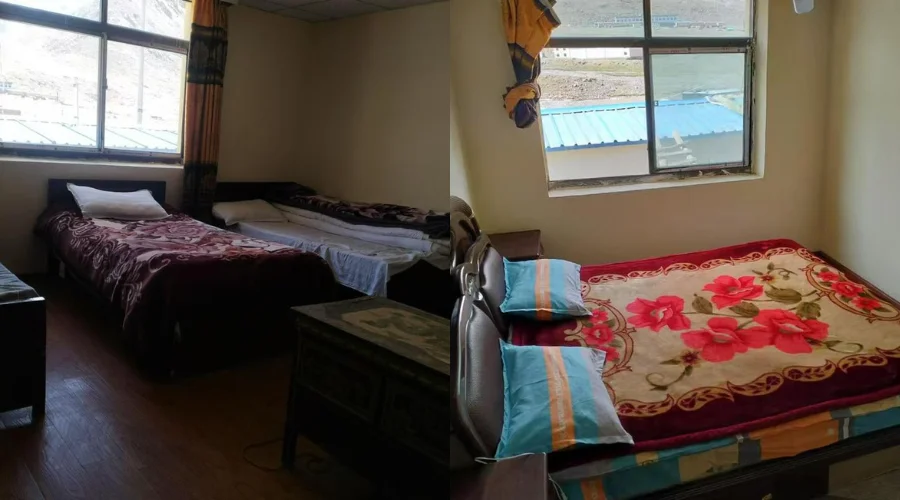
These accommodations are quite simple yet adequate for sleeping and taking a break after a long day of traveling.
Pilgrims stay in communal rooms that resemble a dorm, which provide blankets, mattresses, shared toilets, and heating or electricity.
If you are plannig to travel the Kailash Mansarovar Yatra from USA, Himalayan Trekking will handle it well.
Kathmandu
In Kathmandu, the rooms are modern and comfortable. There are choices of simple and standard rooms capped off by a deluxe room with an en-suite bath and hot shower. Hot water, electricity, Wi-Fi, and clean bedding are also available at most of the hotels.
Most of the hotels provide other services like food, lodging, and travel services, in which the pilgrims can rest and get ready for the long trip. This gives a smooth beginning and ending to this pilgrimage.
Kerung / Kyirong
Kerung, a border town of Tibet, has a star-level basic with various kinds of comfortable accommodation. Pilgrims stay in hotels or guesthouses which have clean twin or even triple rooms with attached or shared toilets.
Guest houses have electricity; heating is available, and there are blankets. It provides a comfortable place to sleep and acclimatize following the long ride out of Kathmandu with basic furnishings and small beds, good enough to rest before the next leg.
Dongba
Dongba has basic as well as star-level guesthouses and lodges. The basic rooms might lack enclosed rooms and are simply divided in pairs or sometimes three or four and are designed with plain furnishings and simple beddings.
There are basic shared toilets, though some of them do not have hot water. The rooms can have heating, charging, and electricity at the same time.

The stay facilities here are certainly not luxurious, but clean enough to get some rest before moving on to Mansarovar. This one’s all about functioning over comfort.
Also learn how to avoid altitude sickness on Kailash Yatra.
Mansarovar Area
Around the holy Lake Mansarovar there is very basic and simple accommodation. Lodging Pilgrims sleep in dormitory-style lodges or humble guesthouses.
Rooms are dorms with little bedding and basic blankets. Toilets are simple and ubiquitous, usually only squat toilets. Heating does not exist, and there is electricity for only a few hours each day.
However, despite these hardships the stay is one of a kind spiritual experience as it’s just next to the holy lake. Don’t expect much comfort; pilgrims must be ready for basic, no-frills living standards here.
Darchen
Darchen, the beginning of the Kailash Parikrama, is served by small guesthouses and hotels. Accommodations are typically shared, with basic beds and bedding. Shared toilets are standard, and hot water is also guaranteed.
Electricity is available but may be scarce, especially during peak yatra season. There is rarely central heating, so remember the cold night in winter.
It’s basic to moderate accommodation and nothing more is really required when all you need is a place to sleep the night before setting out on the arduous parikrama. Expect practical arrangements, not luxury.
Dirapuk
The facilities at Dirapuk are simple dormitory huts. There are shared rooms, sometimes huge dormitories with lots of pilgrims, and beds are basic wooden cots with thin blankets. Toilets are shared and basic.
There is electricity but hot bucket shower heating, and the nights are bitterly cold, especially in winter.
This is remote high-altitude lodging, where you rough it a bit, and the overall need is to stay warm properly resting. Pilgrims should expect rough conditions.
Zuthulpuk
Like Dirapuk, the options at Zuthulpuk are also basic. Pilgrims stay in communal dormitory huts. Beds have thin blankets; toilets are communal, and there is no heating like in room.
You will get Wi-Fi and electricity at Zuthulpuk.
Rooms are basic but clean enough for pilgrims to rest after a long parikrama day. Its emphasis is on functionality and survival at altitude, not comfort or decadence.
Room Facilities and Basic Amenities on the Yatra
The Kailash Mansarovar Yatra has rough accommodations and, as usual, this varies according to sites. They, however, offer basic facilities that allow travellers to be comfortable.
Some rooms in cities like Kathmandu have personal facilities and hot water whereas places like Darchen, Dirapuk and Zuthulpuk will only have the most basic wooden cots which transform to beds in dormitory lodges.
It is important to also note that most of the lodges can be shared with very basic squat hang toilets and there will often be no water, particularly in areas around Mansarovar and on the parikrama route.
Nevertheless, the facilities are to provide pilgrims with a primitive degree of comfort and hygiene so that they can sleep, restore, and get strength to walk long on the upcoming day.
Foods during Kailash Mansarovar Yatra
The Kailash Mansarovar Yatra foods bring together foods of India, Tibetan and simple local for the sustenance of pilgrims on long distances at elevated levels.
Pilgrims can take fresh hot food made of rice, noodles, lentils, vegetables, and occasionally meat in Kathmandu hotels or restaurants as well as Lhasa.
With the trek going too far, destinations like Kerung, Dongba, Darchen, Dirapuk and Zuthulpuk meals are more convenient and more affordable. Pilgrims typically dine in guesthouses or lodge dining rooms and have a variety of rice, noodles and dal, steamed vegetables, and bread.
Boiling water, tea and Tibetan butter tea are highly prevalent. The hygiene of the food is the best they can offer with simple facilities, and pilgrims are recommended to carry their own snacks, energy bars or nuts when they are having longer trekking days.
Note the do’s and don’ts of Kailash Mansarovar Yatra.
Types of Meals in the Yatra
The Kailash Mansarovar Yatra food is cooked to give vitality, warmth and energy to the pilgrims who take a long distance and to extreme levels.
Cities such as Kathmandu or Lhasa offer a variety of food that is comfortable, whereas the distant lodges and high-altitude sites provide plain and nourishing food that is simple to digest.
Indian, Tibetan, and local dishes offered at the Yatra will allow the pilgrims to have enough carbs, proteins, and vitamins to maintain their strength.
Breakfast
Breakfast is an irreplaceable meal, which gives pilgrims force to drive long distances or a start of parikrama.
In Kathmandu or Lhasa, it is frequently done well, is well-balanced, and there are options of eggs, bread, toast, pancakes, porridge, cereal, fruits, milk, tea or coffee.
Simple yet satisfying breakfast is served in simpler lodges on the trail, such as bread or chapati, butter, jam or honey, porridge or tsampa (roasted barley flour).
Another popular offering is Butter tea or hot milk, which has been shown to make pilgrims warm or cold in the morning. The food is simple and sufficient to replace other activities such as trekking or long-day travel.
Lunch
The main meal of the travel day is usually lunch, which provides determination and power to the remaining afternoon. Rice, noodles, dal (lentils), stir-fried or steamed vegetables, breads, and eggs.
In remote locations of the Yatra, food is simple and serves its purpose: rice or noodles cooked in hot water, dal, vegetables and in some cases eggs. Every meal is accompanied by tea or butter tea.
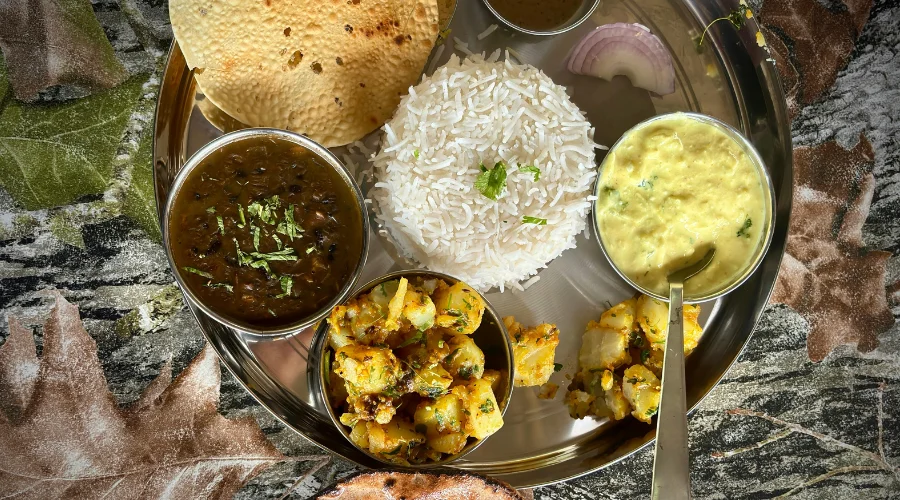
Dry fruits, biscuits, and energy bars are usually taken by pilgrims as a reserve in case they face long distances without food. The lunch will maintain the sustenance and hydration of pilgrims during drives and fluctuating altitude.
Dinner
Dinner is the greatest meal of the day, particularly following a great trip or even a strenuous day of trekking.
It is always very fine, warm, and diversified in Kathmandu or Lhasa, and it includes several dishes, soups, and hot beverages.
Lodges at high altitude, around Darchen, Dirapuk, or Zuthulpuk will serve a simple yet warm supper of rice, dal, boiled or sautéed vegetables, noodles, or tsampa dipped in hot butter tea, and will replace the bulkiest dinner.
Although the food can be simple, regarded as luxury hotels of the city, it is still well chosen to restore consumed energy and make the body warm.
Observations about Food on the Yatra
Pilgrims are also advised to pack dry fruits, nuts, biscuits or energy bars to supplement normal meals since there is not much food along high-altitude region.
It is boiled or treated, and hygiene is also preserved as much as possible, but the sanitary facilities are rudimentary in rural (remote) locations.
Most locations provide vegetarian alternatives, and certain lodges will meet special food requirements when they are made in advance.
Indian and Tibetan Food Availability
Pilgrims on the yatra can savor a blend of Indian and Tibetan food along the way. Alternatives dishes of the same nature, usually available in cities and towns such as Kathmandu, Kerung and Lhasa may well have forms of Indian bread to supplement that rice or dal.
Tibetan offerings, which become increasingly common at higher altitude stops, are thukpa (noodle soup), momo (dumplings), tingmo (steamed bread), butter tea, and tsampa.
Lodges up in remote areas around Mansarovar and on the parikrama route only serve basic Tibetan style food easy to digest, good calorie.
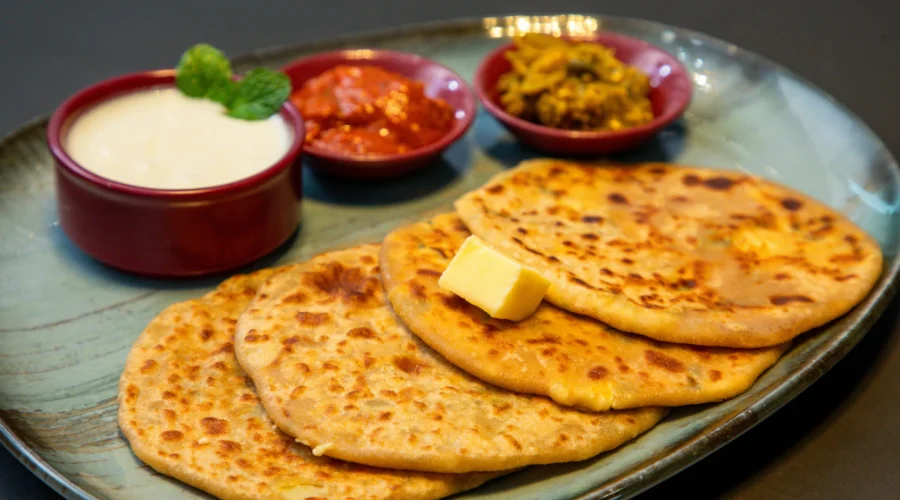
This mix of Indian and Tibetan comestibles means there is something for pilgrims both familiar with, or new to the local cuisine, to maintain them sated and comfortable throughout the yatra.
Drinking Water and Hot Beverages
Keeping up with hydration on Kailash Mansarovar Yatra is very important, particularly when it comes to high altitudes where your body naturally loses water easily.
Pilgrims are usually given boiled or filtered water in lodges and guesthouses en route. There might be a scarcity of water supply at remote places like Darchen, Dirapuk and Zuthulpuk; so, carrying personal water bottles and purification tablets is advisable.
Hot drinks are served with meals and in the morning, this includes tea, butter tea, and sometimes coffee or hot milk. They stay warm, help pilgrims deal with cold weather, aid digestion, and give a boost of energy on the road.
Special Dietary Needs and Restrictions
Though most of the food on yatra is vegetarian, those with diet restrictions (vegan/gluten free/allergy) should notify the tour organizers beforehand.
Kathmandu and Lhasa hotels can generally accommodate special requests, providing alternative soy-based or plant-based meals and gluten-free bread, even more veggies.
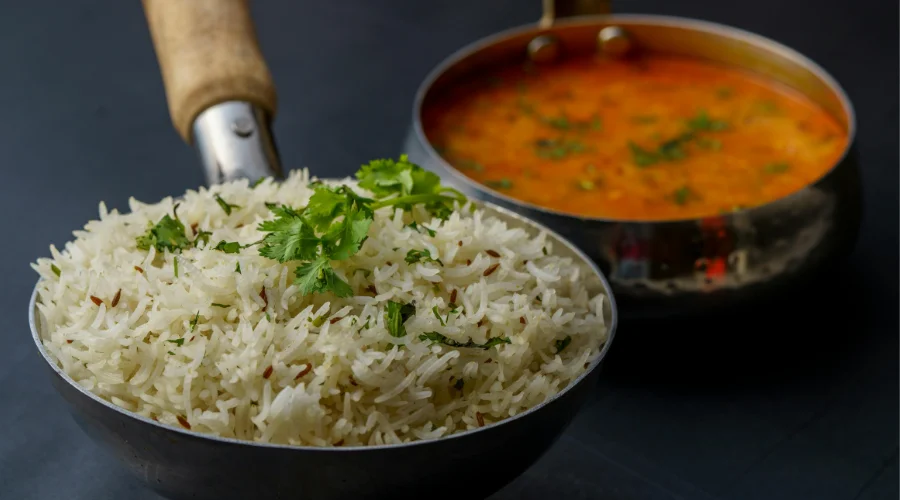
At the remote lodges along the way, there are no gourmet chefs; food choices are basic and kitchen facilities are more limited, but staff generally try to cater to a pilgrim’s dietary requirements.
Bringing along some personal snacks or dry food can also provide insurance that your dietary needs are fulfilled, as options can be somewhat limited at high elevation slopes.
Send an Enquiry
Error: Contact form not found.
© 2026 - Himalayan Trekking and Tours (P) Ltd. All Rights Reserved.