

The Everest Base Camp Trek takes you through beautiful Sherpa villages, deep valleys, and high mountain trails. But this trek is not just a walk. Good Everest Base Camp Trek Preparation is essential for a comfortable and safe journey at high elevations.
The walking days can be long and exhausting. The weather can shift suddenly, and facilities are increasingly basic as you gain elevation. This is why endurance, mental health, and good planning contribute much to a successful Everest Base Camp Trek.
In this guide, we will explain to you how to prepare step by step. From training and acclimatization to packing, food, and permits.
All is outlined in an easy-to-read manner. With proper planning, the EBC Trek is a rewarding and unforgettable journey.
Understand the Everest Base Camp Trek
Before starting the Everest Trek Training, it’s also helpful to know what the Everest Base Camp Trek is like.
Knowledge of EBC Trek distance, time, elevation change, and difficulty makes you a smarter planner and trainer. It sets expectations for your body and mind as well.
EBC Trek Distance and Duration
The Everest Base Camp Trek distance is approximately 130 km from Lukla. The classic trek typically lasts 12 to 14 days with two acclimatization days.
On average, you walk 5 to 7 hours each day, depending on the route and altitude, combined with your walking speed.
Some days are more intense but shorter; others, longer and with gradual trails. The higher you climb, the slower you walk because of the thin air.
You just have to be patient with it; this is common and should not be rushed. This is a trek that requires a steady pace more than speed.
Maximum Altitude and Elevation Gain
The highest elevation of the EBC trek is 5,545 meters at Kalapatthar. The Everest Base Camp is located 5,364 meters above sea level. The trek begins in Lukla, elevation of 2,860 meters, so the overall elevation gain is huge.
This steep ascent is the most difficult part of the journey. Lower oxygen levels take time for your body to adapt to.
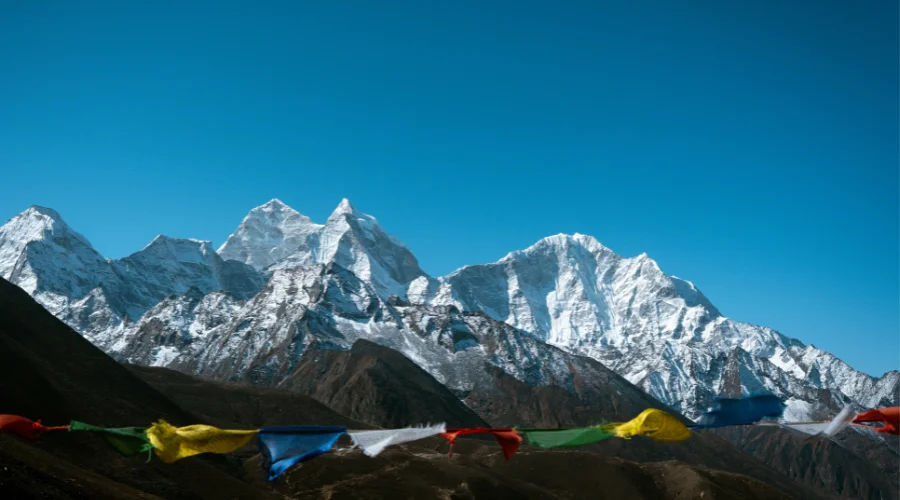
This is why the acclimatization days are done at places such as Namche Bazaar and Dingboche, which are so necessary. With the right Everest Base Camp Trek Preparation, you can reduce your chance of getting altitude sickness.
How hard is the Everest Base Camp Trek?
The Everest Base Camp Trek difficulty is classified as moderate to challenging. It is not technical, but it requires good physical fitness.
The biggest challenges are high-altitude exertion, cold temperatures, and long days of walking on rocky trails.
With good physical condition and strong motivation, anyone should be able to reach it if well prepared.
First-time trekkers can make it if they train well, walk slowly, and comply with acclimatization recommendations. This will let you prepare your physical and mental self for the task at hand.
Physical Training for the Everest Base Camp Trek
A good level of physical fitness is necessary for the Everest Base Camp Trek preparation. The trip involves long hours of walking, non-stop up and down walk and high altitude.
You don’t need to be an athlete; however, your body needs to be strong enough for daily hiking days on end.
Cardio for Long Days of Walking
Cardio training raises your stamina and breathing. This is significant because each day you will be walking for hours at a high altitude.
They also benefit immensely from activities like fast walking, jogging, riding a bike, climbing stairs, or swimming.
You should do a cardio workout at least 3-5 times per week. Go slow and build up the time later.
Extended walking is particularly beneficial as this closely resembles trekking conditions. Stronger cardio fitness makes you less tired and out of breath while hiking the trail.
Strength Work for Legs and Core
Strong legs and a solid core allow you to walk easily up steep, rough trails. Build strength in your thighs, calves, hips, and lower back. Squats, lunges, step-ups, calf raises, and planks are all very effective.
Strength training will also protect your knees from injury. Two to three strength sessions a week is the goal. You don’t need to lift heavy weights. If you do them correctly and regularly, bodyweight exercises are plenty.
Hiking Practice with a Backpack
Your body will be ready for the real trekking if you practice. Even if you intend to hire a porter, there is still some personal gear that needs to go in your daypack, like water and a camera.
Begin hiking with a light backpack and gradually add weight. Go for walks uphill, on stairs, or on any uneven surface if you can.
This allows your shoulders, back, and legs to get accustomed to the weight. It’s also now more balanced and versatile on mountain trails.
Flexibility and Recovery Training
It is surprising how often this key fact gets lost, but flexibility is crucial for trekking.
Stretching helps keep your muscles relaxed and reduces soreness after long walks. Even just some basic stretching, yoga, or mobility training can significantly improve recovery.
Try to do some stretching after exercise and hiking practice. Great flexibility safeguards against muscle tightness, which means you can walk more comfortably day after day.
How Early Should I Start Training for EBC Trek?
For the Everest Base Camp Trek, you should begin training at least 8 to 12 weeks in advance. If you are already fit now, 6 to 8 weeks will be sufficient. The sooner the better, especially if you are an exercise rookie.
Increase training intensity gradually. Don’t push too hard at first. Regularity is more important than heavy workouts.
With consistent workouts and proper rest, your body will get enough conditioning to do the Everest Base Camp Trek.
Mental Preparation for the Everest Base Camp Trek
Mental Training is as important as Physical Fitness for the Everest Base Camp Trek. The hike can be tiresome, cold, and even a bit uncomfortable at times.
Having a positive attitude makes it easier to face them. Prepare your mind, and the body follows.
Coping With Cold, Fatigue, and Simple Necessities
As you climb higher, the temperature falls, and the facilities become rudimentary. Rooms are chilly, hot showers are rationed, and meals are basic.
You could also be fatigued at the close of each day. Concentrate on small comforts such as warm clothing, a good sleeping bag, and hot drinks.
Get a good rest, eat well, and keep hydrated. Knowing that pain is temporary will help you keep calm and even on the trail.
Motivation While Trekking All Day Long
There are longer days of walking, after all, particularly when the path slopes upward, or the weather isn’t ideal. Motivation can wane when you’re tired or sore. If you set small daily goals, that does me a world of good.
Instead of contemplating the whole trek, aim for the next village or lunch spot. Admire the views and take photos, chat with other town dwellers on their way.
Because of these reasons, you selected this trek; keeping it in remembrance will help maintain an active motivation to carry on your journey.
Dealing with Slow Walking at High Altitude
At high altitude, your walking speed naturally becomes slower. This can feel frustrating, especially for people used to moving fast. Slow walking is normal and necessary for safety.
Learn to walk at a steady and comfortable pace. Use rhythmic breathing and take short breaks. Accepting the slower pace reduces stress and helps your body adjust better to the altitude.
Building Patience and Mental Strength
Patience is a technique you’ll need to master on the Everest Base Camp Trek. Weather delays, flight alterations, and additional rest days are always possible. Being loose and chill allows you to react under pressure.
Mental toughness is developed by welcoming challenges, not trying to avoid them. Keeping a cool head and being patient through the journey also helps to make it more enjoyable and less stressful.
Visualizing Success Before the Trek
Visualizing yourself walking confidently and arriving at Everest Base Camp, or atop Kala Patthar, will also help with your confidence. Positive thinking diminishes fear and self-doubt.
Before the journey, visualize how you cope with challenging days. This is the thinking you use to keep the strength up when an opponent finally presents itself, and not to let it get you down on this journey.
Altitude Acclimatization Preparation
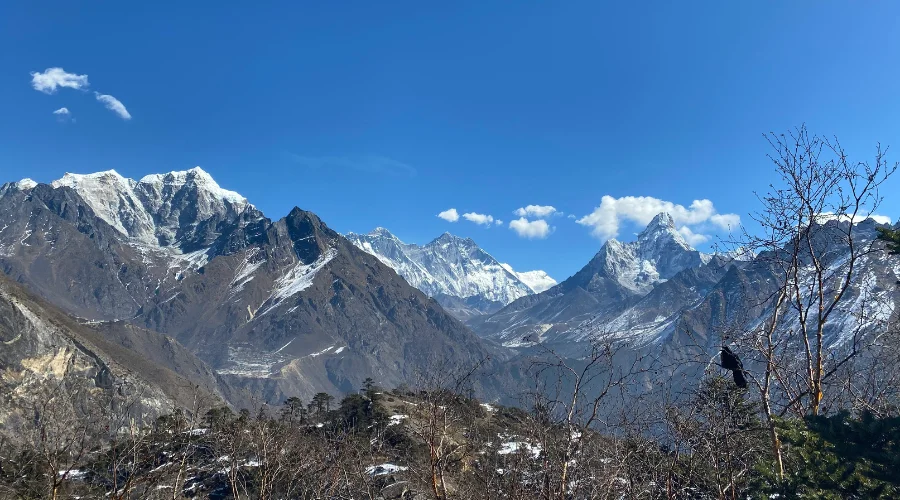
Acclimatization to altitude is one of the major aspects of the trek to Everest Base Camp. As you ascend, the concentration of oxygen in the air decreases, and your body needs time to acclimate.
A slow, steady acclimatization routine can help you stay healthy and enjoy the trek without any problems of altitude sickness.
Why Acclimatization Is Needed on the EBC Trek
The Everest Base Camp Trek starts at 2,860 metres and then increases to over 5,300 metres.
Your body could struggle without the proper amount of time to become accustomed to low oxygen levels. This can lead to very severe health problems.
Acclimatization enables your body to make more red blood cells and use oxygen more effectively. Walking slower and adding rest days allows your body to adapt on its own.
Understanding Altitude Sickness (AMS)
Altitude sickness (Acute Mountain Sickness) is a common problem in high altitudes. Symptoms include headache, nausea, dizziness, lack of appetite, and trouble sleeping.
You typically experience these symptoms when you’ve gone up too fast. Ignoring AMS can be dangerous. If you get sicker, the only ticket out is lower elevations.
Acclimatization Days and Rest Hikes
Rest/acclimatization days have been included in the Everest Base Camp schedule for safety reasons.
Popular acclimatization points include Namche Bazaar and Dingboche. These are not full rest days, but short hikes to higher elevations with a return to sleep at a lower altitude.
This approach is known as “climb high, sleep low.” It allows your body to acclimate more easily and prepares you for higher elevations to come.
The trick of high altitude trekking is to walk slowly. Baby steps and keep the beat. Don’t hurry even on easy trails. Regulated breathing promotes alleviation of weariness and the enhancement of oxygen consumption.
A straightforward breathing pattern is to inhale for two steps and exhale for two. 6. Find a comfortable pace and maintain it all day.
Easy Tips on Hydration and Diet for Optimal Acclimatization
It is very important to drink enough water at altitude. Try to consume a minimum of 3-4 liters of water a day. Being dehydrated can raise your risk of altitude sickness.
Eat light but energy-rich meals. High-carb foods, on the other hand, are easier for your body to break down and can offer you fast energy.
Refrain from drinking alcohol or smoking, as these drugs can slow the acclimatization process.
Body Listening at Altitude
Always tune to your body. Don’t brush off headaches, fatigue, or nausea. If you’re not feeling well, tell your guide even if you just think it’s something mild.
Every person acclimatizes differently. Slowly walking, sleeping well, and being truthful about your health are the best ways to stay safe on the Everest Base Camp Trek.
Packing and Gear Preparation
Packing and getting your gear ready are all crucial aspects of having a comfortable and successful Everest Base Camp Trek. You require the type of clothing that endures cold mornings, warm afternoons, wind, and snow.
Dress in layers; a moisture-wicking base layer is the warmest insulating layer covered by a waterproof outer jacket. Good trekking boots with proper ankle support should be worn, and warm socks and gloves are necessary.
High elevation is much more pleasant with a good sleeping bag, warm down coat, backpack, and trekking poles. Bring toiletries, sunscreen, sunglasses, a headlamp, and personal medication.
Packing light but right is a very good idea because the things you could live without just might or can eventually make traveling on foot even harder. Just the right gear can enable you to remain warm, dry, and self-assured throughout this entire trek.
EBC Trek Documents and Permit Preparation
You will also need to prepare all necessary documents and permits before commencing the Everest Base Camp Trek. These permits are required and will be verified at various places along the trail.
A little Everest Base Camp Trek Preparation can save a lot of time and worry when trekking. The two main permits required are the Sagarmatha National Park Permit and the Khumbu Pasang Lhamu Rural Municipality Permit.
Sagarmatha National Park Permit allows access to the Everest region, one of Nepal’s protected areas, while a Khumbu pass is a local charge for trekking.
Both permits can be purchased in Kathmandu or on the way, in Lukla and Monjo. Keep the permits safe and handy throughout the trip.
You’ll also need a valid passport, and you will need to secure a Nepal tourist visa. Ensure there is an adequate duration of validity on your passport during your visit. Bring hard copies and digital images of your passport, visa, travel insurance, flight tickets, and trekking plan.
Travel and Logistics Preparation
One of the things that can make or break an Everest Base Camp Trek is good planning of travel and logistics. That’s just for your flight, visas, permits, and insurance, never mind what you’ll spend once you’re there.
Planning these things ahead means you will be able to concentrate on the experience, rather than coming with unnecessary stress or issues at the last moment.
Flight Preparation for Lukla
The Everest Base Camp Trekking from Kathmandu starts with most of the trekkers taking a flight to Lukla, from where you will remember is one of the world’s most adventurous and thrilling airports.
The short runway, mountains, and unpredictable morning fog can make it a late or even cancelled day. If you book flights far ahead, preferably in spring or autumn high-season months and be able to adapt your schedule if it changes for any reason.
Morning flights are less likely to be disrupted than afternoon and evening flights. Make sure to have your passport, tickets, and trekking permits with you and check in for your flight one day before departure.
Extra Days and Buffer Planning
Consider adding at least one extra day or buffer day to your schedule. These can be applied towards acclimatization, rest, or delayed flights.
Buffer days cut down the likelihood of having to sprint along the trail and provide for more time where your body is acclimatizing to changes in altitude.
Additional days at Namche Bazar, Dingboche, or even Lukla can greatly contribute to comfort and safety. They can bring you local culture, villages, and fantastic mountain views without the pressure.
Travel Insurance for Everest Base Camp Trek
You’ll need travel insurance once you are above the tree line. Make sure your policy includes medical emergencies, evacuation, helicopter rescue, trip cancellation, and high-altitude trekking.
In case of sickness or injury, insurance can pay for hospital stays, medication, or air evacuations, which are costly in the Everest region.
Keep a copy of your insurance document, emergency contacts, and policy details with you at all times. Be certain that your insurance includes treks above 5,000 meters, which some basic policies do not.
Cash, Currency, and Costs on the Trail
Cash is crucial on the trek because ATMs are available only in Lukla, Namche Bazaar, and a few other large villages. Carry enough Nepalese Rupees/NPRs to pay for meals in the teahouses, accommodation permits, and snacks, and so on.
Although some lodges may take credit or debit cards, connections can be patchy. Budget for unexpected costs, such as porters, guides, or health care.
Bring small denomination notes, as shops and lodges may not have change for large bills. Separate money for various emergencies to keep your journey hassle-free!
Final Preparation Tips Before Starting the Everest Base Camp Trek
- Begin your trek with positive thoughts and with realistic goals in mind.
- Have all trekking permits and travel papers prepared and kept handy.
- Select and pack your necessary equipment, clothes, and personal items in a way that will enable you to carry them in a logical order.
- Keep in mind to take a sufficient amount of cash for tea houses, other permits, and small expenses on the trail.
- Confirm flights to Lukla and add buffer days, in case the flight gets delayed.
- Check your travel insurance, and have any emergency contact numbers close at hand.
- Make one final check of your health and be sure you have packed all medications.
- Eat well and keep yourself full of fluids before the trek.
- Start the hike well rested and don’t overdo it the day before you get on your flight.
- Brush up on the common signs of altitude sickness and how to acclimatize yourself.
- Learn how to walk slowly and control your breathing.
- Make sure trekking boots are worn in and comfortable for long walks.
- Stretch and warm up at the start of each day’s hike.
- Mentally prepare yourself for the cold, fatigue, and basic living along the trail.
- Plan attainable tasks each day and enjoy the process instead of hurrying it along.
Send an Enquiry
Error: Contact form not found.
© 2026 - Himalayan Trekking and Tours (P) Ltd. All Rights Reserved.