

Mount Kailash is among the most sacred mountains in the world. It is situated in Tibet, close to the Nepal and India borders. Every year, thousands of pilgrims and visitors come to Kailash in order to make the religious circumambulation called Kora.
There are mainly two types of Kora around the Holy Mount Kailash, Inner Kora vs Outer Kora. Both routes have spiritual significance, but are very different in terms of distance, level of difficulty, and their spiritual message. Things get even more confusing when it is time to choose which Kora to take.
We will also explain in this article the differences between Inner Kora vs Outer Kora. This will enable you to acclimatise, better prepare, and make informed choices for your Kailash Mansarovar Yatra.
What is the Outer Kora of Mount Kailash?
The Outer Kora is the primary and more popular pilgrimage route around Mount Kailash. It is also called Spiral Kora. Religious pilgrims and trekkers take this route during the Kailash Mansarovar Yatra.
The distance of Kailash Outer Kora is 52 Km in circumference and normally takes 3 days to complete. The trip’s starting and turning point is Darchen, a village near Mount Kailash. Along the route, pilgrims traverse breathtaking valleys, rivers, monasteries, and high mountain passes.
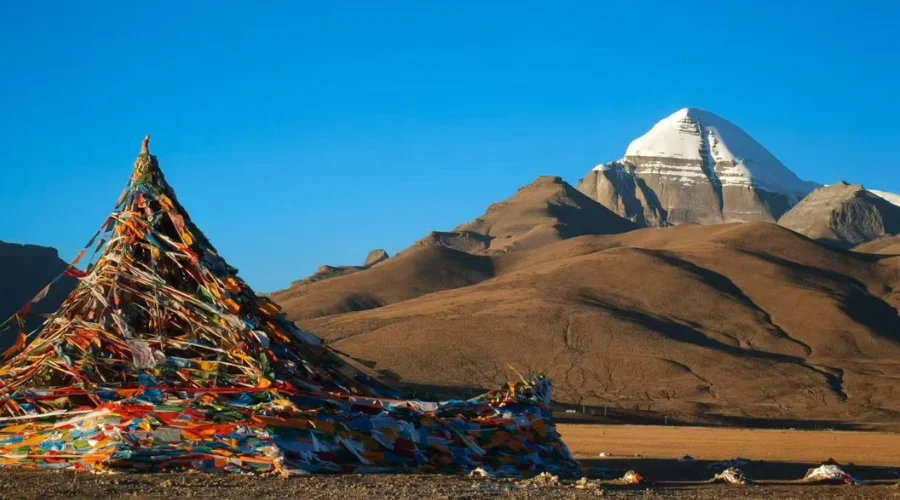
It is one of the primary highlights on the Outer Kora, reaching its highest point at approximately 5,630 meters. This part of the Outer Kora is both the highest and most difficult. Crossing Dolma La, pilgrims say, purifies their sins and brings them spiritual blessings.
The Outer Kora can be completed by all pilgrims, including foreigners. Special permission beyond the standard Tibet travel permits is not a necessity. So it’s the easiest and most popular way of Mount Kailash kora for Indian pilgrims.
Most people prefer the Outer Kora as it gives a spiritual experience of another level apart from the scenic beauty of the Himalayas.
What Is the Inner Kora at Mount Kailash?
Inner Kora is a restricted pilgrim route near Mount Kailash. The Inner Kora is widely believed to be a more spiritual, as well as more intense experience than the Outer Kora.
The Inner Kora is far less in distance but very tough and steep. It treks in deserted and sacred zones near the north face of Mount Kailash. Pilgrims pass by the sacred sites of Nandi Parvat, Ashtapad, and Serdung Monastery. These are significant locations in Hinduism, Buddhism, Jainism, and the Bon religion.
In contrast to Outer Kora, Inner Kora is not open to all people. Foreigners typically need special permission, and at times the route is closed for political or religious reasons. The Inner Kora is often done by Tibetan pilgrims as a form of very deep spiritual practice.
A lot of people believe that if you do the Inner Kora, it’s the same as having done the Outer Kora multiple times. Some even believe it grants spiritual merit and blessings more quickly.
The Inner Kora is not a mere trek. It is an exclusive pilgrimage for the serious pilgrims who choose to establish a deeper connection with Mount Kailash.
Inner Kora Vs Outer Kora: Distance and Duration
The distance covered in Inner Kora and Outer Kora is among the significant differences.
The Outer Kora is about 52 km long. It takes most pilgrims 3 days. Some fit and experienced trekkers complete it in two days, though three days is the standard timeline. The way is long, but it is an obvious and well-defined path.
The Inner Kora is considerably shorter, about 30-34 kilometers, depending on the variation. But it’s 2 to 3 days on foot because the terrain is so steep and rugged. The trails are narrow, rocky, and sometimes not well-plowed.
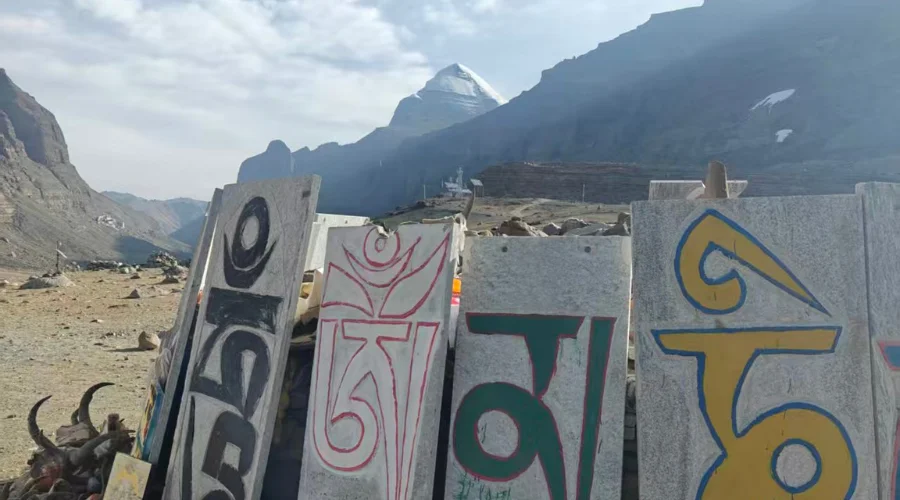
And even though the Inner Kora is shorter in length, it can take nearly as long as the Outer Kora. Pilgrims move very slowly and carefully because of the altitude.
For most, especially the first-timers, the Outer Kora is comfortable in terms of distance and time one walks. The Inner Kora is suitable for more experienced trekkers or those who are deeply serious about their spiritual practice.
Difficulty Level: Which Kora Is Harder?
The difference between the Inner Kora and Outer Kora is in their challenging level. Both are strenuous, though the Inner Kora is considerably more difficult.
The Outer Kora is a moderate-difficult pilgrimage trek. It’s a pass, yes, it will take a while to get up there, but it’s much used, and the trail is fairly easy enough to see most of the time.
The vast majority of the pilgrims have plenty of wide, soft paths with gentle climbs and descents. And the biggest hurdle is altitude, particularly while crossing Dolma La Pass at 5,630 meters.
The air is hard to breathe, and the weather changes in a flash. If you are properly acclimatized and take a continuous pace, it can be done by people of all ages.
Inner Kora is graded as very difficult and technical. The path is stony and steep. Some stretches involve climbing over rocks and hiking on loose scree.
There are fewer facilities, and the road is farther removed. High altitude, strong winds and freezing cold make the trip even more excruciating. Only experienced trekkers or powerful pilgrims should venture this route.
A further difficulty of Inner Kora is a lack of rescue and backup. Fewer pilgrims and fewer services exist since the route is restricted. In other words, you’ll need to be equipped with a guide, the proper gear, and fitness level.
Spiritual Meaning of Inner and Outer Kora
What do Inner Kora and Outer Kora signify? Both the Inner Kora and Outer Kora have deep meanings for pilgrims.
It is considered sacred in four religions: Hinduism, Buddhism, Jainism, and the Bon religion. Kora, the process of walking around the mountain, is sacred and bestows spiritual blessings.
The Outer Kora is supposed to cleanse the soul and dispel negative karma. Some pilgrims claim that a single Outer Kora is enough to cleanse the sins of their entire lifetime. Some people do multiple rounds to earn a greater deal of spiritual merit.
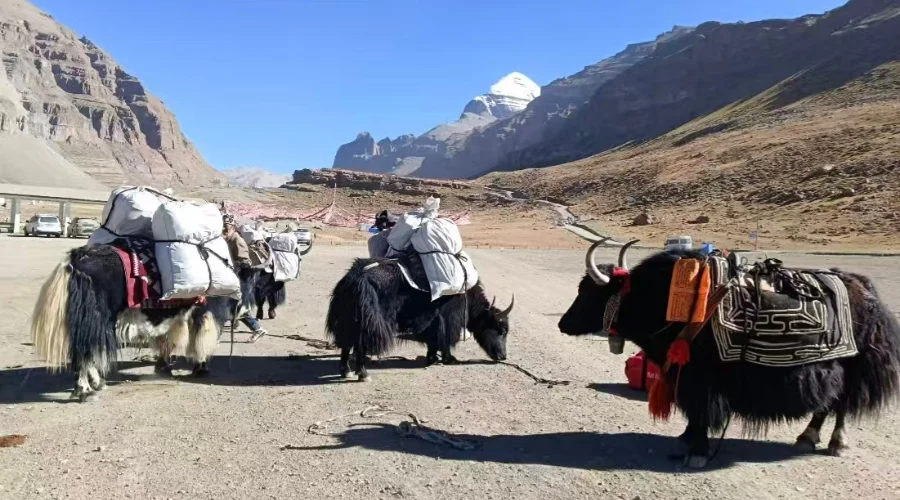
Pilgrims chant prayers and turn prayer wheels along the route, where they meditate at sacred spots. The trip is considered a route to self-realization and spiritual development.
The Inner Kora is regarded as even more powerful and sacred. It is said that one Inner Kora can equal several Outer Koras. The route passes very close to sacred sites such as Ashtapad and Serdung Monastery, connected with Lord Shiva and other deities.
Numerous pilgrims feel that the Inner Kora is a much more spiritual experience. It is more than walking around the mountain. It is also one of self-control, dedication, and linking to the divine. That’s why the Inner Kora is attempted only by those who are serious about their spiritual quest.
Route Highlights and Sacred Sites on Each Kora
The Inner Kora and Outer Kora both have an abundance of visiting sacred and beautiful places. Each path includes its spiritual power spots and ecological icons.
Highlights of the Outer Kora
Outer Kora begins and also ends at Darchen. From here, pilgrims hike through broad valleys and mountain terrain. One of the first significant stopovers is Dirapuk Monastery on the mountain’s north face.
This place gives breathtaking views of the mountain; it is significant to meditate and pray here.
Another significant point is the Dolma La Pass, which is the highest point of the Outer Kora. Here at this pass, pilgrims submit prayer flags and personal effects.
It descends from Dolma La and returns to Gauri Kund, where Goddess Parvati is said to have bathed. The trail continues to Zutulpuk Monastery, dedicated to the great Buddhist saint Milarepa.
It is this mix of spiritual experience and Himalayan trekking adventure that these sites turn the Outer Kora into.
Highlights in the Inner Kora
Inner Kora is much closer to Mount Kailash and is at highly sacred places. One of such places of paramount importance is Ᾱṣhpâd, which is the seat of Lord Shiv. It is very sacred for Hindu and Jain pilgrims.
Another religious place, Nandi Parvat, is the mountain of Lord Shiva’s (the name may emerge from his mount, Nandi the bull).
Pilgrims also go to Serdung Monastery, which is one of the most remote and religious monasteries in Kailash. The Inner Kora route is silent, secluded, and profoundly spiritual.
Unlike the Outer Kora, which follows a kora of mountains and sky that leads out from Tibet into Nepal, this is much less about sightseeing than connecting with the ancient pilgrimage. It feels more rigorous and sacred, with fewer people and less infrastructure.
Permits and Rules for Inner and Outer Kora
Permits and regulations are very important while planning for the Kailash Yatra. Inner Kora and Outer Kora are different, and it’s good to know this to ensure that there are no surprises along the way.
Outer Kora Permits
Outer Kora is open to all pilgrims, including foreigners. You must have:
- Tibet Travel Permit (TTP) and Chinese Group Visa Permit: Needed for all travelers to Tibet.
- Alien Travel Permit: Required on occasion for some parts around Kailash.
- Guide and Agency Approval: Most travelers choose to use licensed Tibetan guides or tour agencies, which can help with the processing smoothly.
There are more relaxed travel restrictions in the Outer Kora. You can go with a group, hire porters, and sleep in guesthouses or tents over the course of your journey.
Inner Kora Permits
The Inner Kora is stricter and sacred. This is not a path open to all. Foreign pilgrims usually need:
- Special Permission from Tibetan Authorities: This is rare and generally only given out to serious spiritual seekers.
- Local Guide: Inner Kora is an isolated place, and we provide you with a guide for security and as per regulations.
- Important Rules: Inner Kora is closed for certain months or for religious purposes. The pilgrim should always see before undertaking his journey.
Who Should Choose Inner Kora or Outer Kora?
Inner Kora is difficult, while the other one is relatively easier and more manageable. The type of kora you want to do depends on your fitness level, past trekking experience & spiritual situation.
The Outer Kora is well-suited for most pilgrims, including beginners. It is not too demanding, has lots of greenery, and a good mix of natural beauty and spiritual essence. A trekker willing to walk three days, leaving aside the altitude, can finish the Outer Kora safely.
The Inner Kora, by contrast, is for experienced trekkers and serious spiritual seekers. It’s steep, remote, and physically challenging, so be prepared for long hours on the trails getting rocky and narrow. The Inner Kora is generally practiced by pilgrims who want to have a closer communion with Mount Kailash.
It’s suitable for those comfortable with high-altitude trekking and who are happy to take only basic facilities and minimal on-route back-up.
Send an Enquiry
Error: Contact form not found.
© 2026 - Himalayan Trekking and Tours (P) Ltd. All Rights Reserved.